This oral history interview is an intimate conversation between two people, both of whom have generously agreed to share this recording with Oral History Summer School, and with you. Please listen in the spirit with which this was shared.

This interview is hereby made available for research purposes only. For additional uses (radio and other media, music, internet), please inquire about permissions.

All rights are reserved by Oral History Summer School.

Researchers will understand that:

  • Oral History Summer School abides by the General Principles & Best Practices for Oral History as agreed upon by the Oral History Association (2018) and expects that use of this material will be done with respect for these professional ethics.
  • Unless verbal patterns are germane to your scholarly work, when quoting from this material researchers are encouraged to correct the grammar and make other modifications maintaining the flavor of the narrator’s speech while editing the material for the standards of print.
  • All citations must be attributed to Oral History Summer School:
    Narrator’s Name, Oral history interview, YYYY, Oral History Summer School
Library

Rachelle Berry

June 24, 2025

|

Hudson, NY

Song

Recorded by

Megan Voeller

This interview is available in-person only. Please get in touch if you would like to listen.
Is this your interview?
Click here to respond.
x
Summary:

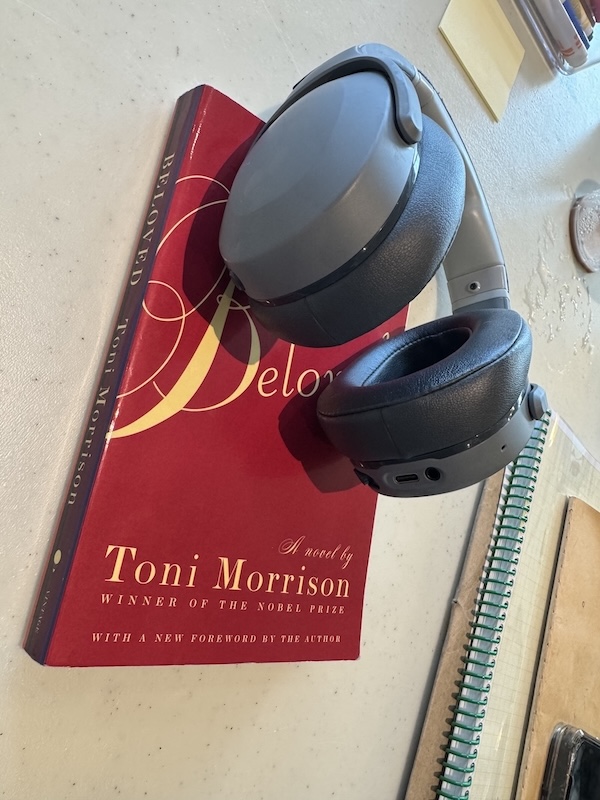
This interview was conducted with Rachelle Berry on June 24,2025, in Hudson, New York, where Berry was a participant in Oral History Summer School. In this focused interview, Berry discusses her academic research and activism at the intersection of Black geographies, critical race theory and urban geography. Berry explains how her doctoral research at the University of Georgia (UGA) led to her current project—What Remains: A Geography of Rememory, a book addressing how anti-Black urbanism propelled the creation of UGA's campus grounds and the responses of Athens' Black community to preserve, protect, and rebuild their institutions. In the interview, Berry describes the aftermath of a 1960s UGA-led urban renewal project that destroyed and displaced a 20-acre Black community to make way for student dormitories. She also details a more recent controversy, the unearthing and contested reburial of human remains likely belonging to enslaved or formerly enslaved individuals during the expansion of UGA's Baldwin Hall in 2016. Berry explores some of the book's theoretical touchstones, including Toni Morrison's concept of "rememory" and Christina Sharpe's idea of "the wake."Some subjects that come up in this interview include: reparational justice and healing, university-community relations, urban development, systemic racism, scholar activism, and the rebuilding of Black geographies.

Themes:
No items found.
Interviewer Bio:
Megan Voeller
Additional Info:
Interview language(s):
English
,
Audio quality:

Audio Quality Scale

Low - There is some background noise and the narrator is hard to hear.

Medium - There is background noise, but the narrator is audible.

High - There is little background noise and the narrator is audible.

Permissions: 

This interview is hereby made available for research purposes only. For additional uses (radio and other media, music, internet), please click here to inquire about permissions.

Part of this interview may be played in a radio broadcast or podcast.

Oral history is an iterative process. In keeping with oral history values of anti-fixity, interviewees will have an opportunity to add, annotate and reflect upon their lives and interviews in perpetuity. Talking back to the archive is a form of “shared authority.”

Is this your interview?
Click here
to leave updates or reflections on your life, your interview or your listening experience.
Thank you! Your submission has been received!
Oops! Something went wrong while submitting the form.