This oral history interview is an intimate conversation between two people, both of whom have generously agreed to share this recording with Oral History Summer School, and with you. Please listen in the spirit with which this was shared.
This interview is hereby made available for research purposes only. For additional uses (radio and other media, music, internet), please inquire about permissions.
All rights are reserved by Oral History Summer School.
Researchers will understand that:


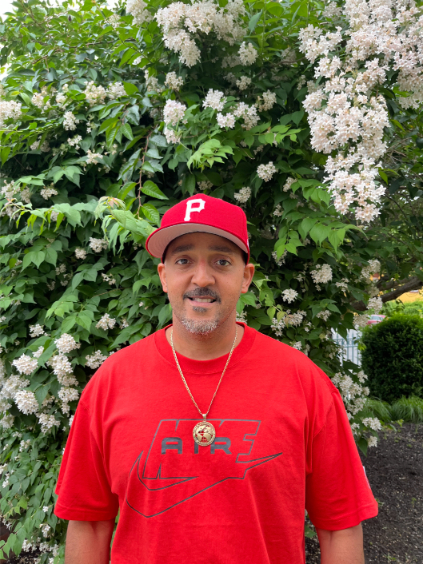
This interview was conducted with Luis Ayala Rivera in the community room of the Hudson library on Sunday, May 31, 2026. Luis was born in Cabo Rojo, Puerto Rico, and grew up there before moving to Mayagüez, Puerto Rico, and finally to Hudson, New York. Luis describes his childhood as challenging due to his mother’s alcoholism and physical abuse. He shares memories of his early efforts to earn money, from taking out neighbors’ trash to selling drugs. He was incarcerated several times as a youth and as an adult for robbery and drug-related offenses. He moved to Hudson in 2007, where his brother, sister, and mother were living. He discusses his last incarceration and his experience in the Shock Incarceration Program. He describes his entrepreneurial drive, romantic relationships, and his picnic-table-building business with his step-son, Cruz. Luis and his partner, Selha, have a daughter together named Carmen Lucia. As the owner of Mandigo Towing, Luis discusses the challenges of being a brown business owner in Hudson, detailing the racism he has faced and the pressure from people expecting favors. Finally, Luis shares how his view of friendship has changed over time, the ultimate importance of family, and his plans to move to Florida for warmer weather and new business opportunities.
Rachel Ojo is a Nigerian-American storyteller, strategist, and community builder based in Harlem, New York. Born and raised in Phoenix, she founded “The Whole Story” storytelling show in 2016 to amplify and celebrate Black narratives in Arizona. She has since coached over fifty first-time storytellers, creating spaces that center dignity, nuance, and joy. Rachel is interested in how stories of lived experience are captured, shared, and passed on within diaspora communities where memory and faith are often carried through oral tradition.
Oral history is an iterative process. In keeping with oral history values of anti-fixity, interviewees will have an opportunity to add, annotate and reflect upon their lives and interviews in perpetuity. Talking back to the archive is a form of “shared authority.”