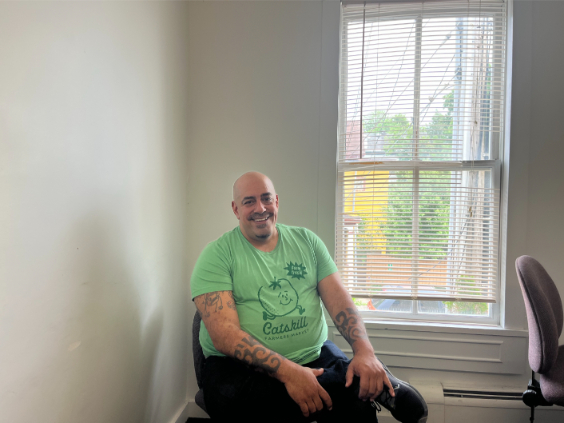
This oral history interview is an intimate conversation between two people, both of whom have generously agreed to share this recording with Oral History Summer School, and with you. Please listen in the spirit with which this was shared.
This interview is hereby made available for research purposes only. For additional uses (radio and other media, music, internet), please inquire about permissions.
All rights are reserved by Oral History Summer School.
Researchers will understand that:
- Oral History Summer School abides by the General Principles & Best Practices for Oral History as agreed upon by the Oral History Association (2018) and expects that use of this material will be done with respect for these professional ethics.
- Unless verbal patterns are germane to your scholarly work, when quoting from this material researchers are encouraged to correct the grammar and make other modifications maintaining the flavor of the narrator’s speech while editing the material for the standards of print.
- All citations must be attributed to Oral History Summer School:
Narrator’s Name, Oral history interview, YYYY, Oral History Summer School

I have read and agree to the terms listed above.