This oral history interview is an intimate conversation between two people, both of whom have generously agreed to share this recording with Oral History Summer School, and with you. Please listen in the spirit with which this was shared.

This interview is hereby made available for research purposes only. For additional uses (radio and other media, music, internet), please inquire about permissions.

All rights are reserved by Oral History Summer School.

Researchers will understand that:

  • Oral History Summer School abides by the General Principles & Best Practices for Oral History as agreed upon by the Oral History Association (2018) and expects that use of this material will be done with respect for these professional ethics.
  • Unless verbal patterns are germane to your scholarly work, when quoting from this material researchers are encouraged to correct the grammar and make other modifications maintaining the flavor of the narrator’s speech while editing the material for the standards of print.
  • All citations must be attributed to Oral History Summer School:
    Narrator’s Name, Oral history interview, YYYY, Oral History Summer School
Library

Elena Mosley

June 27, 2025

|

Hudson, NY

Song

Recorded by

Diana Cervera

This interview is available in-person only. Please get in touch if you would like to listen.
Is this your interview?
Click here to respond.
x
Summary:

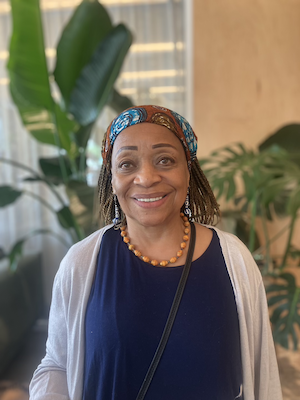
This interview was conducted with Elena Mosley, who moved to Hudson, New York, in the 1980s. She is the Executive Director of Operation Unite, an organization that provides arts programming to youth and neighboring towns. Elena lives outside of Hudson in Claverack. She discusses the similarities between Staten Island and Hudson and the familiarity she felt with Hudson being “country-like,” describing it as a “blighty, sleepy town” when she arrived. She shares her passion for working with youth and her active involvement with the community as a youth worker, board member, and volunteer.

Elena discusses some of the segregation she observed in Hudson upon her arrival and the demographic changes that have occurred since then. She recalls a time when people of color lived on 4th Street and below, and when certain services available to them were cut. She mentions the Boys Club and Girls Club and reflects on the dynamics among other youth-serving organizations in Hudson. Elena notes the creation of a consortium that encourages collaboration among these groups—an intentional shift from what she describes as previously competitive relationships. She emphasizes the importance of collaboration across organizations that serve youth in order to maximize their impact.

Themes:
No items found.
Interviewer Bio:
Diana Cervera

Diana Cervera is a transborder Chicana artist based in the Tijuana and San Diego borderlands. Rooted in her background in Ethnic Studies, her work blends art and social justice, exploring themes of migration and identity. Diana is a filmmaker, storyteller, educator, and arts administrator focused on social impact and community-based work. She collaborates with organizations on both sides of the U.S.–Mexico border and organizes the annual INTERSECTIONS symposium on art and law at the border. Her current project, Mujer Mariposa, is a documentary film exploring migration, identity, and belonging. She is also set to unveil Transcending Perception, a collaborative installation examining the history of representation for BIPOC communities in the U.S.

Additional Info:
Interview language(s):
English
,
Audio quality:
Medium

Audio Quality Scale

Low - There is some background noise and the narrator is hard to hear.

Medium - There is background noise, but the narrator is audible.

High - There is little background noise and the narrator is audible.

Permissions: 

This interview is hereby made available for research purposes only. For additional uses (radio and other media, music, internet), please click here to inquire about permissions.

Part of this interview may be played in a radio broadcast or podcast.

Oral history is an iterative process. In keeping with oral history values of anti-fixity, interviewees will have an opportunity to add, annotate and reflect upon their lives and interviews in perpetuity. Talking back to the archive is a form of “shared authority.”

Is this your interview?
Click here
to leave updates or reflections on your life, your interview or your listening experience.
Thank you! Your submission has been received!
Oops! Something went wrong while submitting the form.