This oral history interview is an intimate conversation between two people, both of whom have generously agreed to share this recording with Oral History Summer School, and with you. Please listen in the spirit with which this was shared.
This interview is hereby made available for research purposes only. For additional uses (radio and other media, music, internet), please inquire about permissions.
All rights are reserved by Oral History Summer School.
Researchers will understand that:


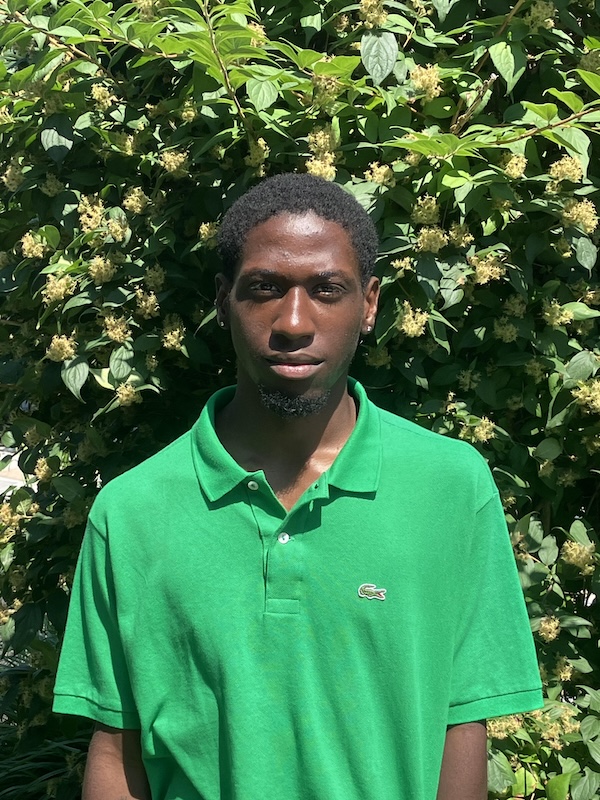
This interview was conducted with Dezjuan Smith at the Hudson Area Library on Fifth Street on Saturday, June 28, 2025. Born in Florida, Dezjuan moved to Hudson as a child and reflects on his deep and evolving relationship with the city. He recalls living for a year on Union Street, participating in programs at Kite’s Nest, attending Hawthorne Valley Waldorf School, taking part in Hudson’s punk scene, and engaging with Hudson Promise Neighborhood.
Dezjuan speaks candidly about his experiences exploring his sexuality beginning at age 13, including the harm he experienced from predatory older men and how those experiences contributed to substance use and his eventual decision to leave college. He reflects on what he believes he needed as a young person growing up in Hudson—emphasizing the importance of affirmation and community support.
Dezjuan also revisits his earlier 2017 interview with Matia Emsellem, conducted when he was 12 as part of the Community Library of Voice and Sound, offering reflections on how he has changed since then. He shares that he still loves the color blue, trees, and reading, and discusses King: A Life by Jonathan Eig, offering insights on what Hudson could learn from a more nuanced understanding of Martin Luther King Jr. He concludes by reflecting on what healing means to him and the role both African-derived religion and Christianity have played in his recovery and spiritual growth.
This interview may be of particular interest to those exploring the experiences of youth—especially LGBTQ youth—in Hudson, as well as themes of addiction, sexual violence, recovery, civil rights history, and the intersection of faith and healing.
Eshe Sherley is a Black queer historian researching Black politics who attended Shady Hill School and Boston Latin School in Massachusetts. She currently lives in North Carolina and works at Wake ForestUniversity. Her favorite color is blue.
Oral history is an iterative process. In keeping with oral history values of anti-fixity, interviewees will have an opportunity to add, annotate and reflect upon their lives and interviews in perpetuity. Talking back to the archive is a form of “shared authority.”